Portugal // May 2019
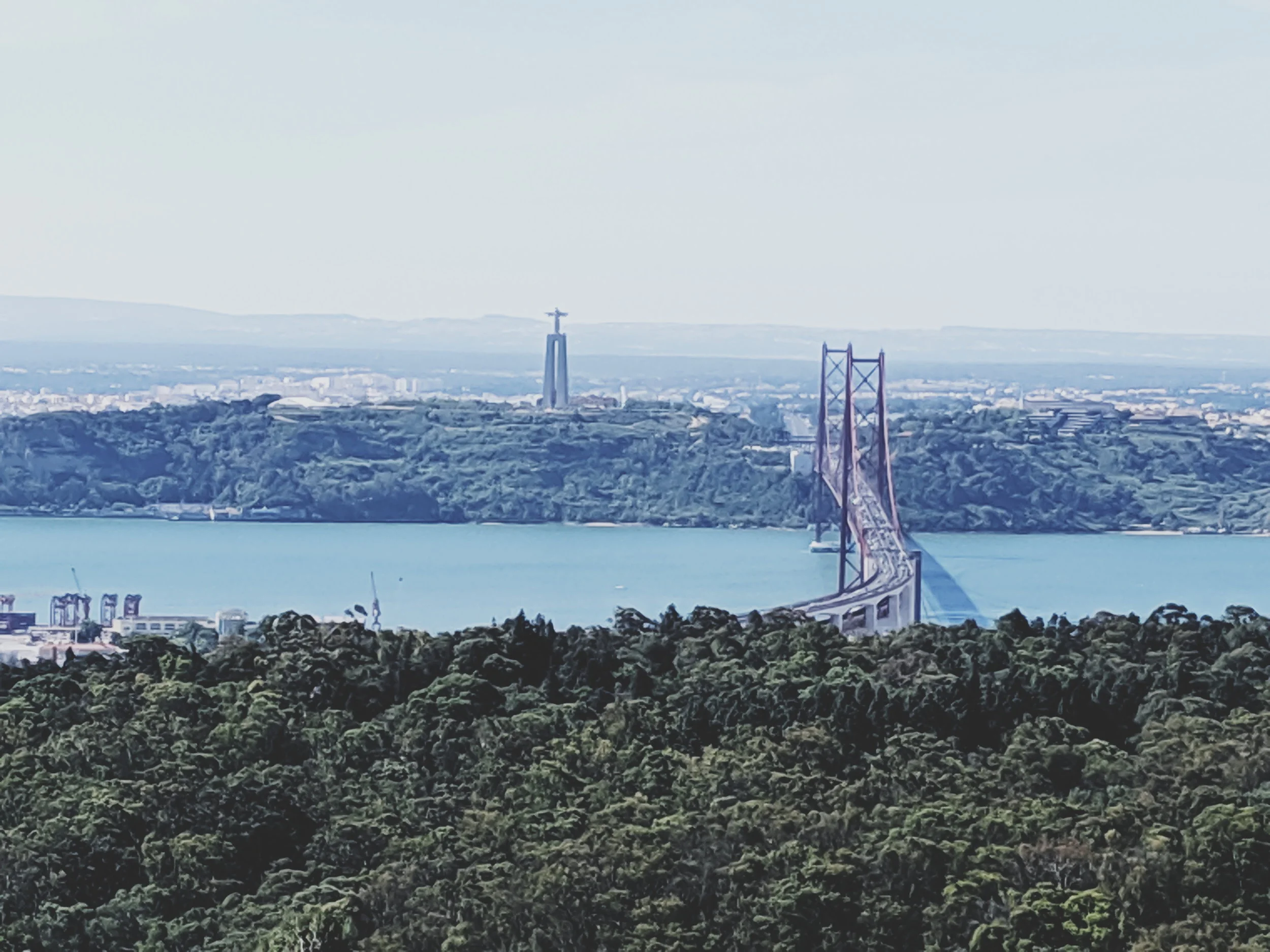
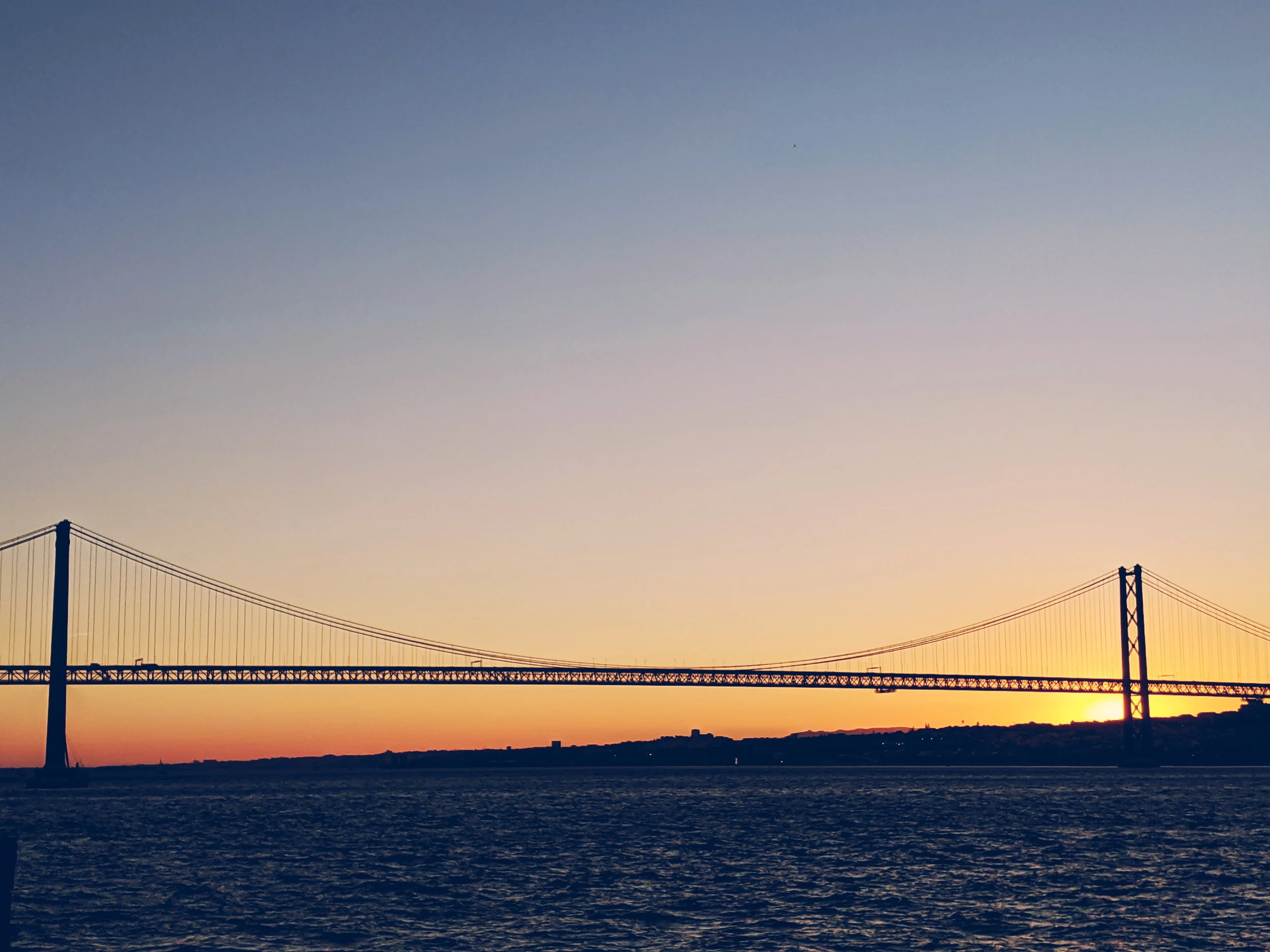
“You see that bridge? What does it look like to you?”
“Um — the Golden Gate bridge?”
“Yes! San Francisco! Same architect, did you know that? But ours is bigger. Wait, maybe smaller.”
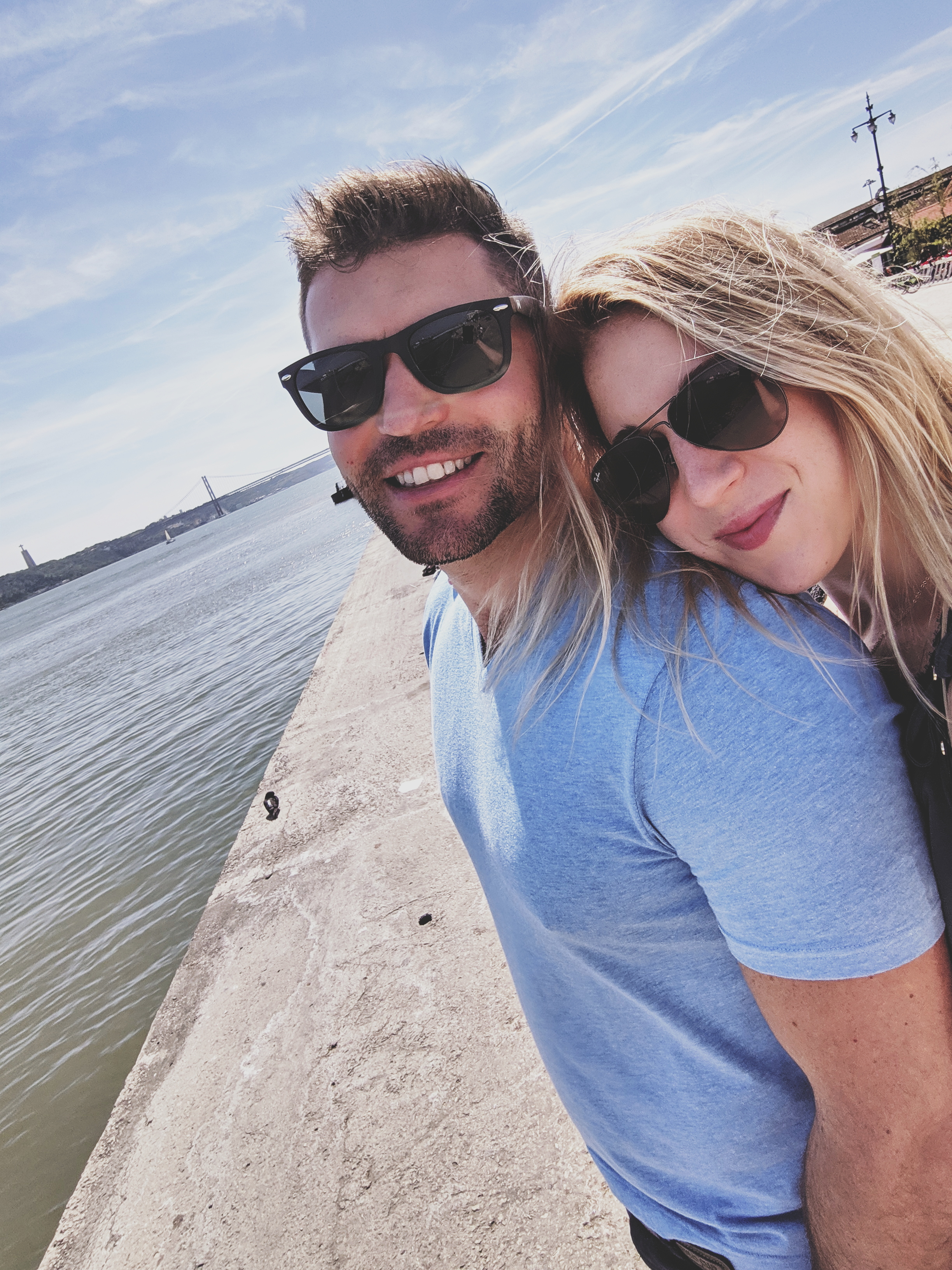
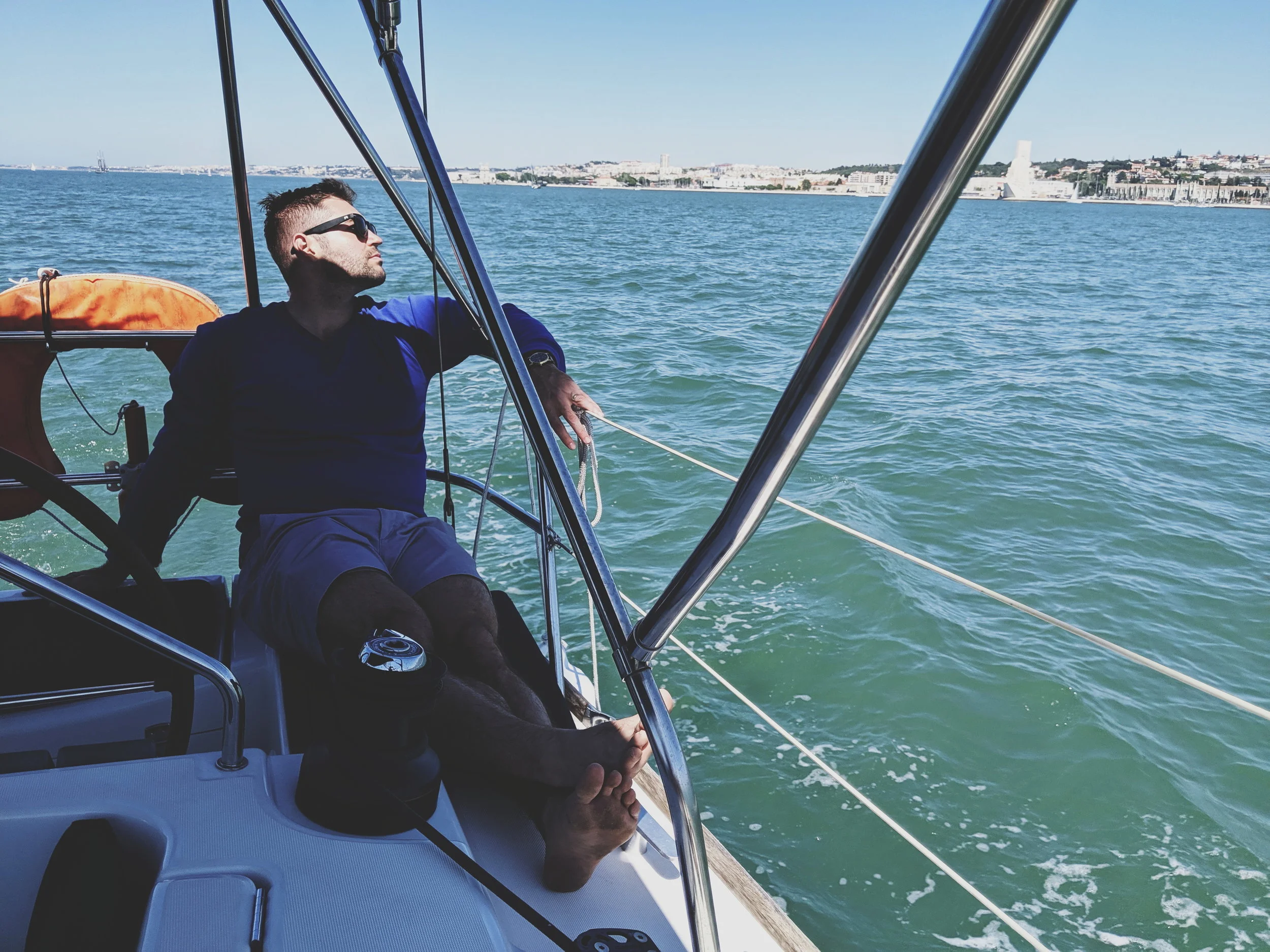
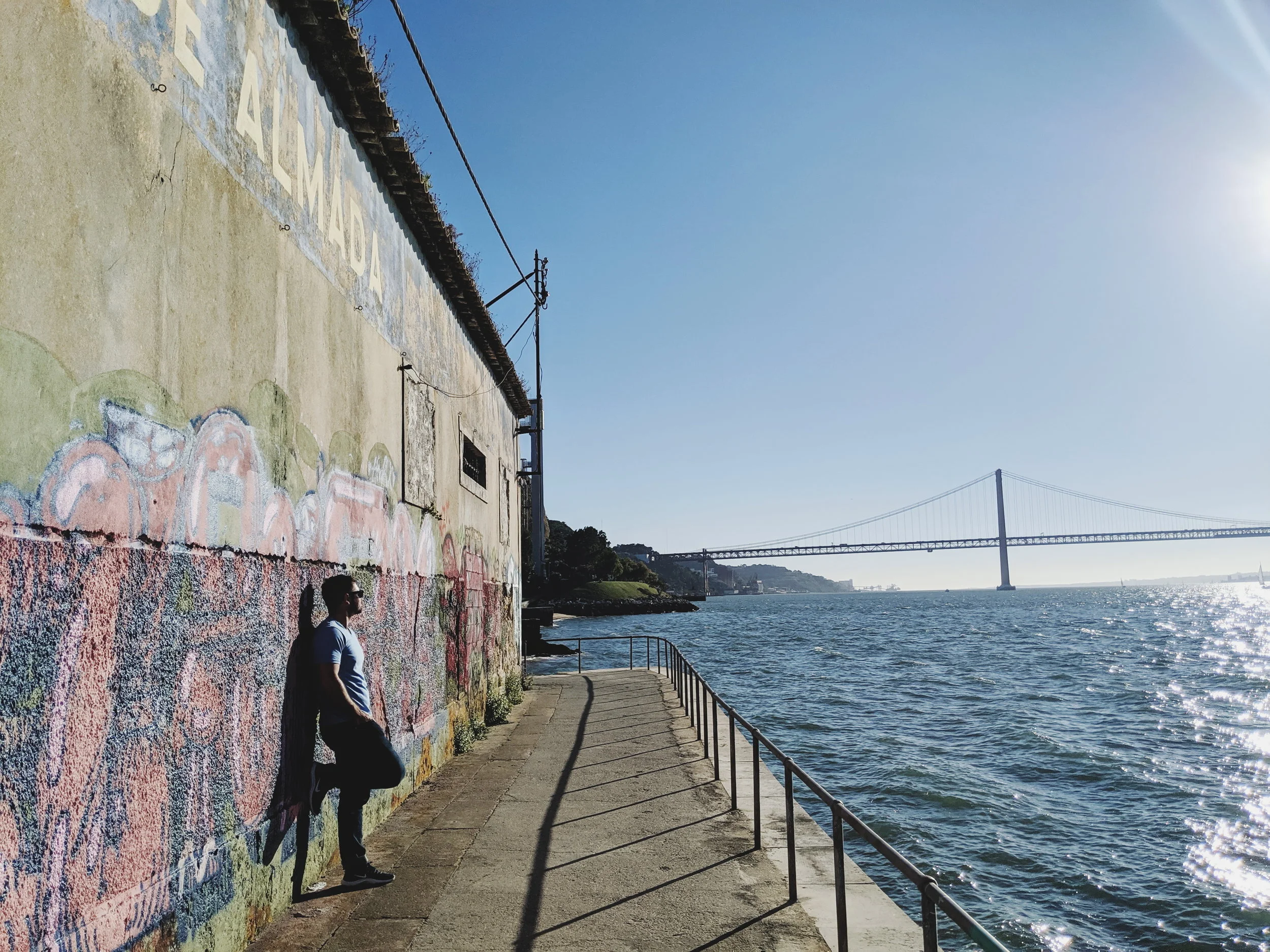
It’s the third time that day the striking red bridge over the Tagus river is pointed out to me, and the third time the narrator debated how Lisbon’s bridge measured up to its famous American counterpart. But I play along. If a fib allows someone’s happiness to bubble up to the surface for a few seconds, how can it be wrong?
I sprawl on the sailboat, the dictionary-definition of languid, looking at the bridge and the towering Jesus with the receptive hands that I’ve also been told by multiple people (and also fibbed about not knowing) was inspired by the iconic Rio de Janeiro version.
“It was to honor us for remaining neutral during World War II,” the boat’s skipper says proudly. I think of Memorial Day being celebrated back home in the US at that moment, of my grandfather who laid in soiled sheets in a dark submarine for hours to avoid detection by the Nazis, of my great-uncle whose plane was shot out of an Italian sky before he could legally drink — and choose silence.
The waves lap gently at the side of the small sailboat and the hot air toasts my sunscreen-lathered skin. I close my eyes and sink into my body.
I read an article a few months back about how when we travel, we focus on all the ways we can change the external factors — what we see, eat, and do each day — but forget that we’ve also brought along our minds, with their thought patterns and anxieties and all the other quirks we’d rather have left at home. Travel isn’t a cure. “We tend to grossly overestimate the pleasure brought forth by new experiences and underestimate the power of finding meaning in current ones,” it said.
In the end, it’s all about gratitude. Wherever you go, you have to be able to find pleasure in the banal and joy in the routine.
That’s what this trip will be for me, I decide. A practice in gratitude. I’m tagging with my husband, who is attending a conference here in Lisbon. Unlike most other trips we’d taken, there are no expectations tied to this one. Paris had been Romance. Rome had been History. Peru had been Machu Picchu. Bali had been Healing. But Lisbon — well, Lisbon doesn’t have anything it has to live up to. Gratitude seems like a good assignment as any.
Gratitude begins with awareness — you notice, you appreciate. I start this practice as soon as we check into our Airbnb in Barrio Alto, a neighborhood we’ve been warned will be noisy at night. The notion of lively bars and top-notch restaurants and singing in the streets below our bedroom window sounds pretty dreamy to us — almost as dreamy as the AirBnb’s super low price tag.
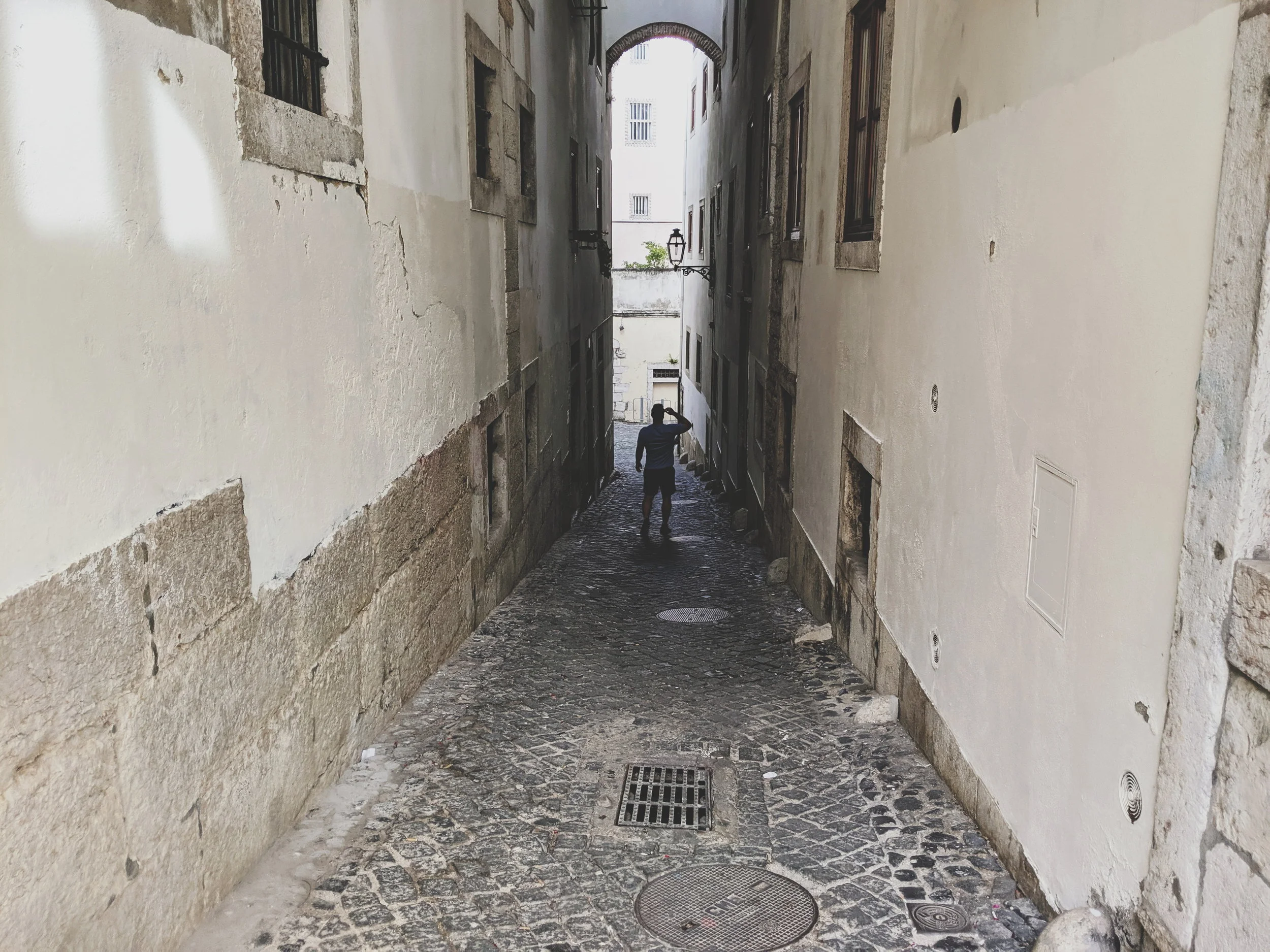
The stairs are narrow enough that I can’t carry my teal suitcase by my side; I have to hold it in front of me like a fat awkward child as I navigate the slippery wooden steps, each one a slightly different size than the previous. A man comes down from a floor above as we ascend, carrying a cardboard box filled with wine bottles. Seeing us come up (though hearing must have been his first sense activated due to our bags banging the walls), he retreats all the way back where he started from, the only way to allow us enough room to pass.
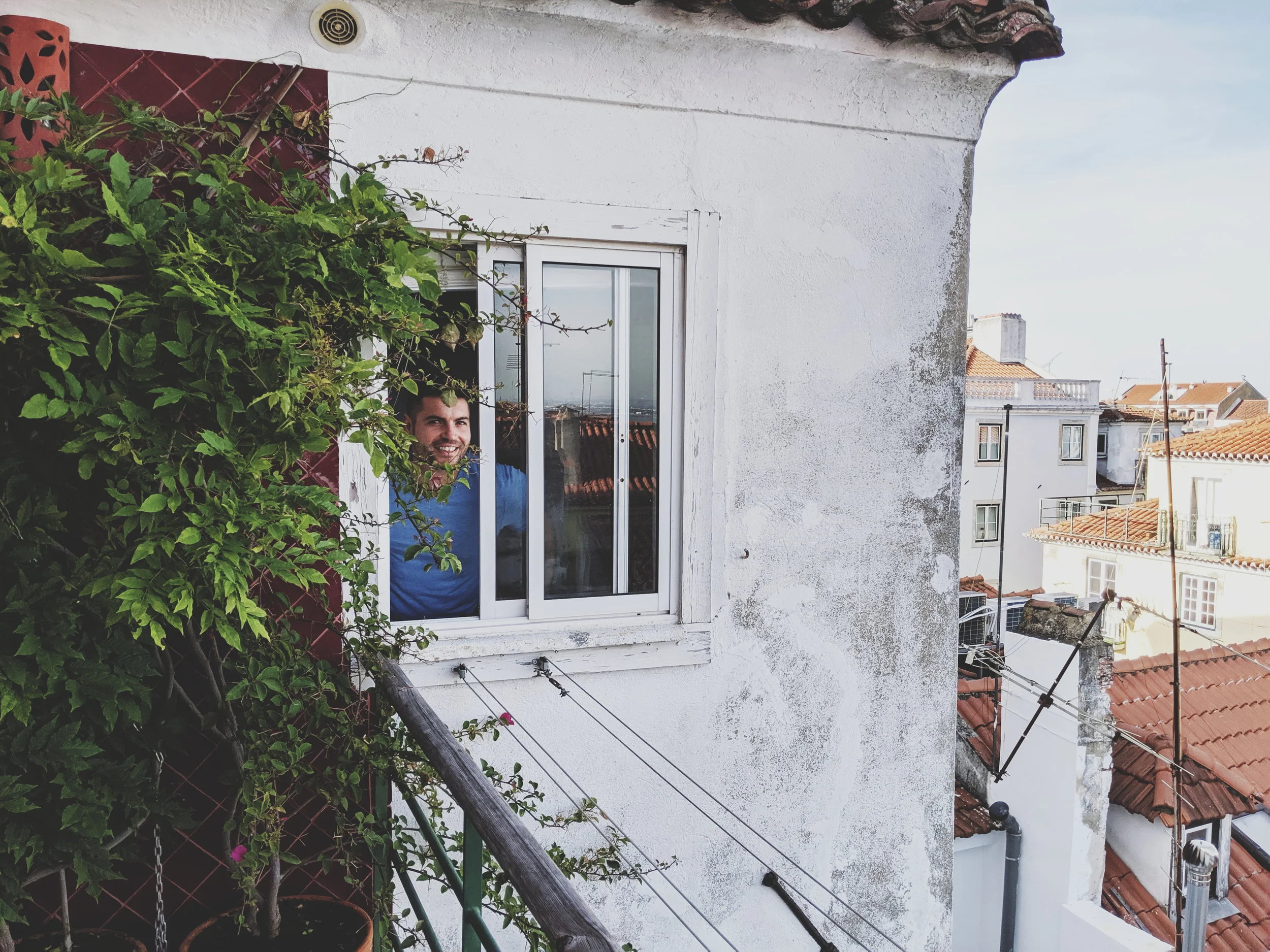
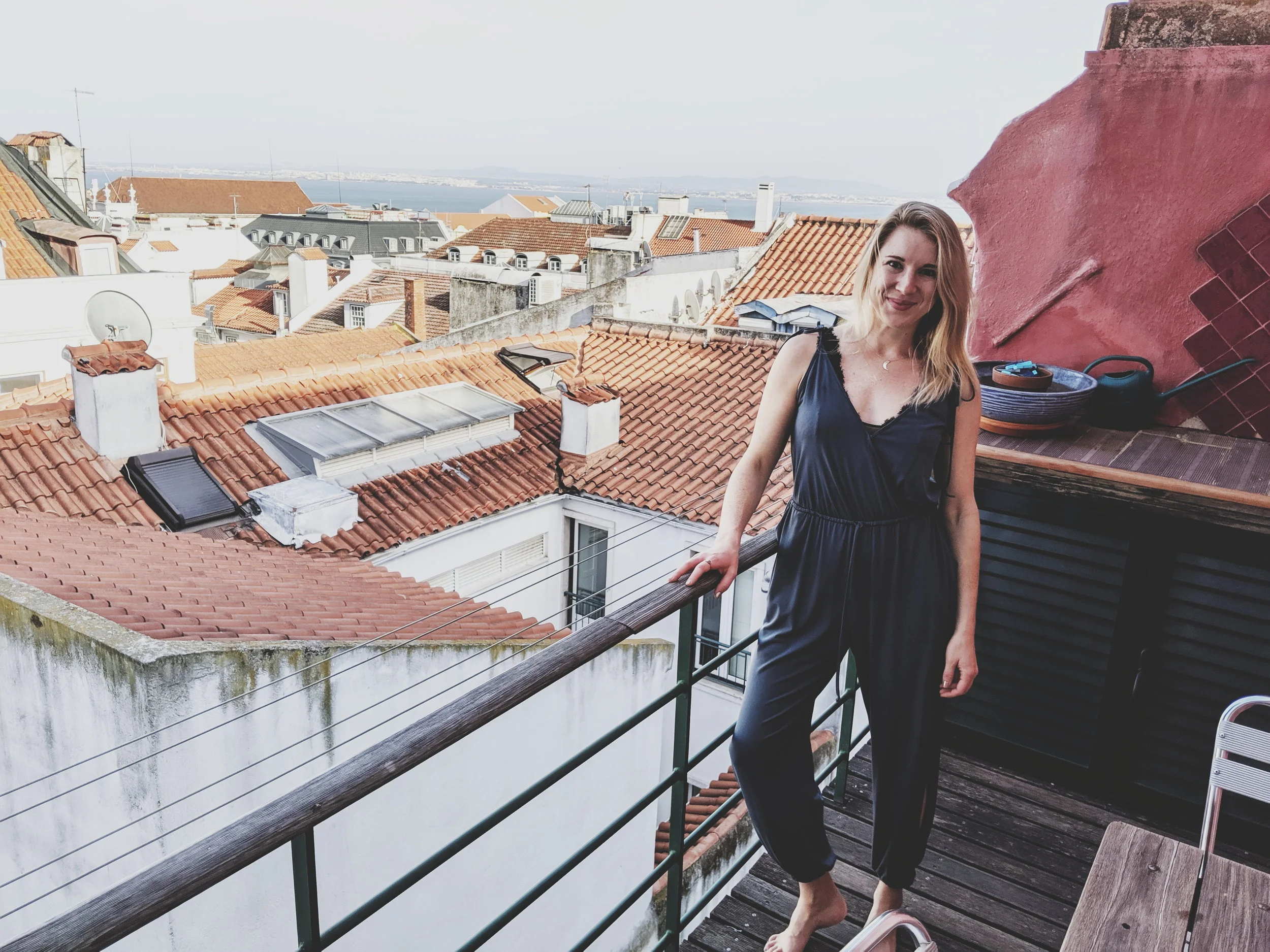
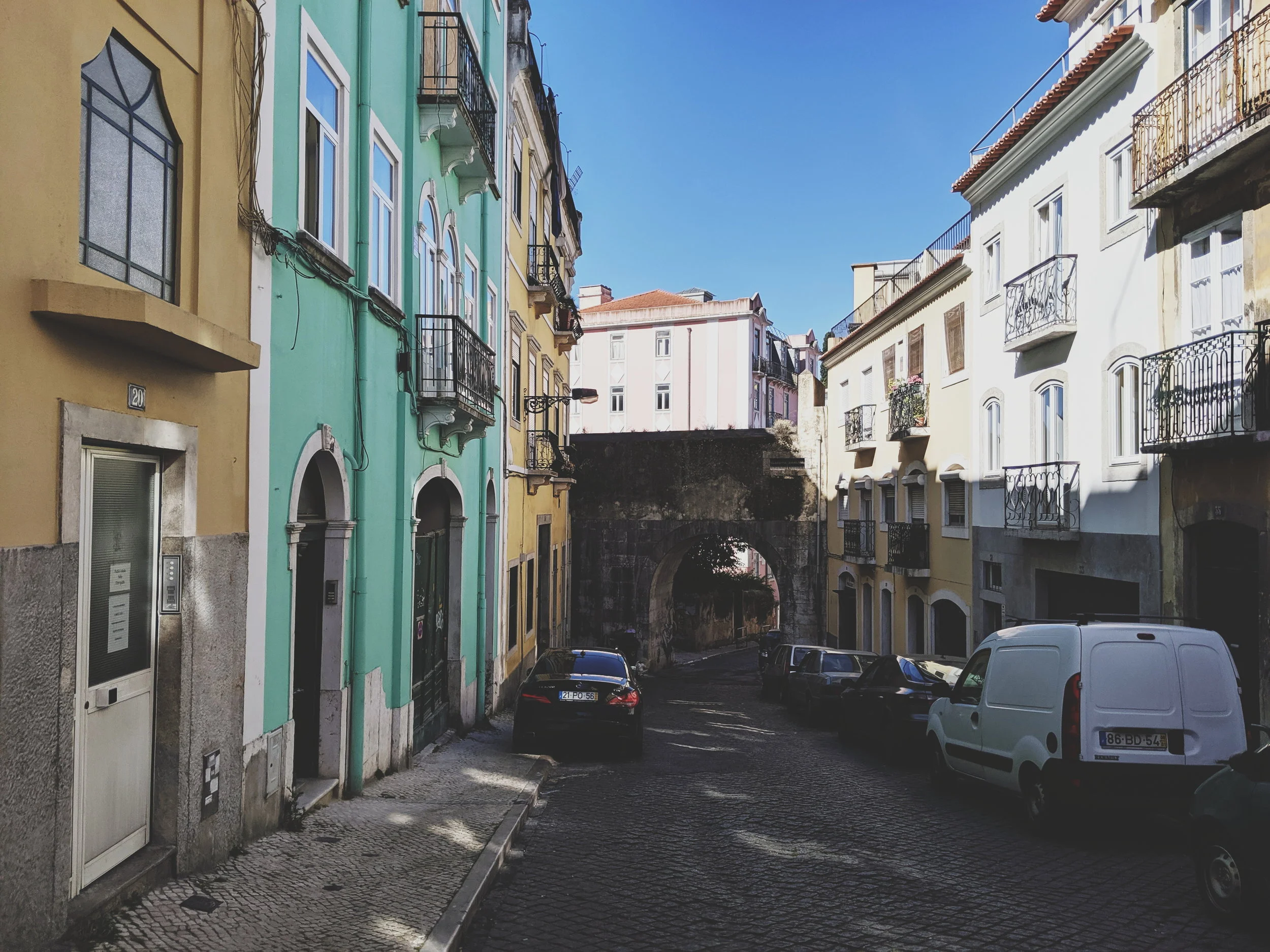
The mini-mountain climb is worth it. As we spin up and around the fifth and final flight of stairs, the skinny dank darkness transforms into a breezy space with skylights and hanging plants. An open doorway leads to a balcony overlooking the city, where a mountain range of red-tiled roofs guides our gaze to the grand Tagus River, and just passed it, hazy green hills.
“I’m actually from France,” says our host after handing us the keys and showing us how the hot water heater works. “I came to Lisbon for a work trip twenty years ago and forgot to leave.”
After filling us with tips and advice until our eyes start to glaze, he departs and the loft above the rooftops is ours. The swing hanging from a wooden ceiling beam, the squat white stove, the windows with the heavy shutters that flap open in the breeze, the mannequin in the corner wearing lacy red underwear, the oil painting of a man’s nude back — all ours. I walk around the small space slowly, letting my eyes rest on each item, contemplating the story behind it. Practicing awareness. Out on the balcony, I take a deep breath of air. Thank you, I think, Thank you for bringing me here. I’m not sure who I’m thanking — God, the universe, my husband, the airplane — but it doesn’t really matter.
I have a mind that tells stories, dissects memories, and creates scenes. It hops from past to future, future to past, like a time traveler who has lost control. This makes being in the moment, thus being aware, thus practicing gratitude, difficult.
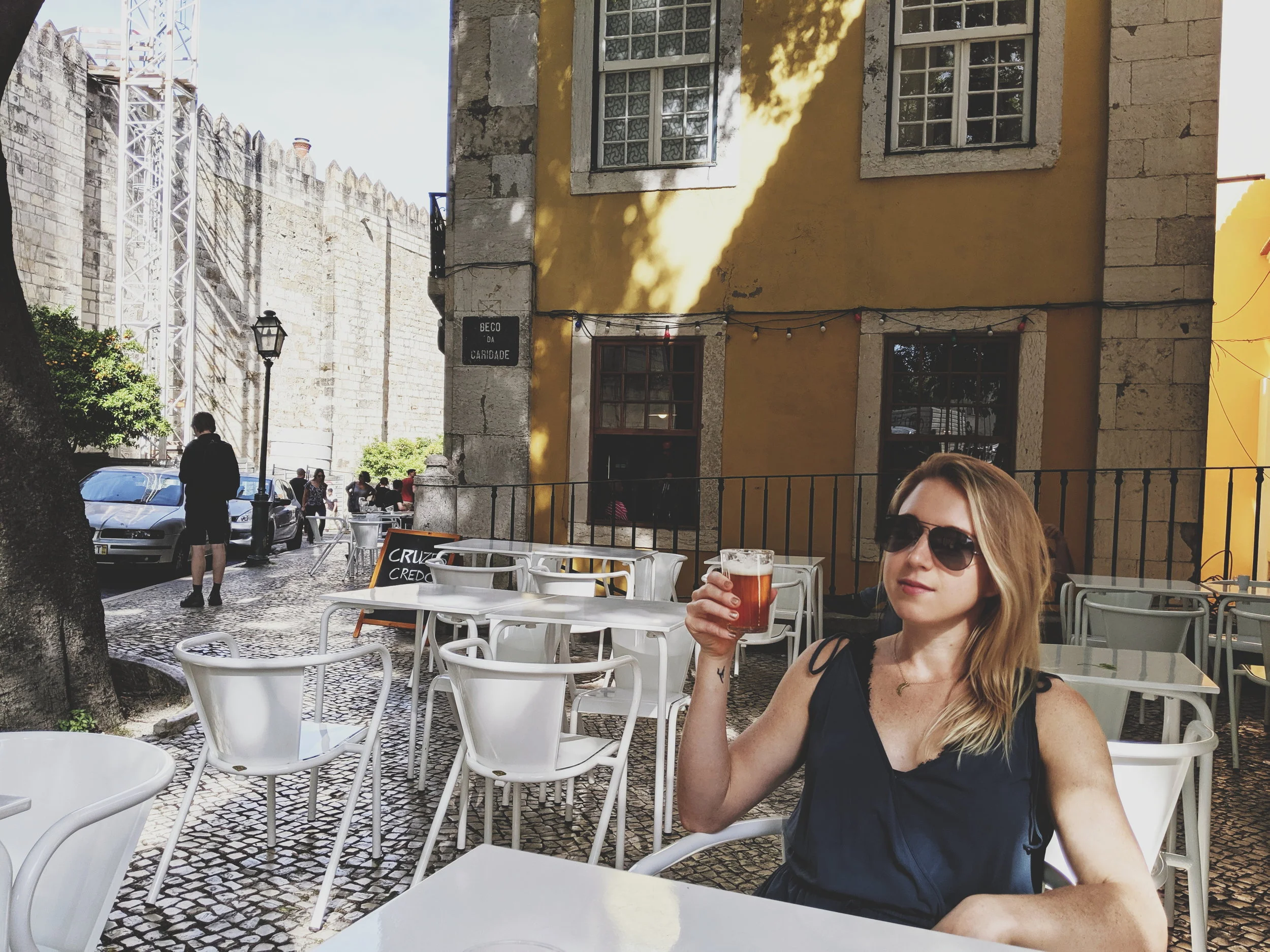
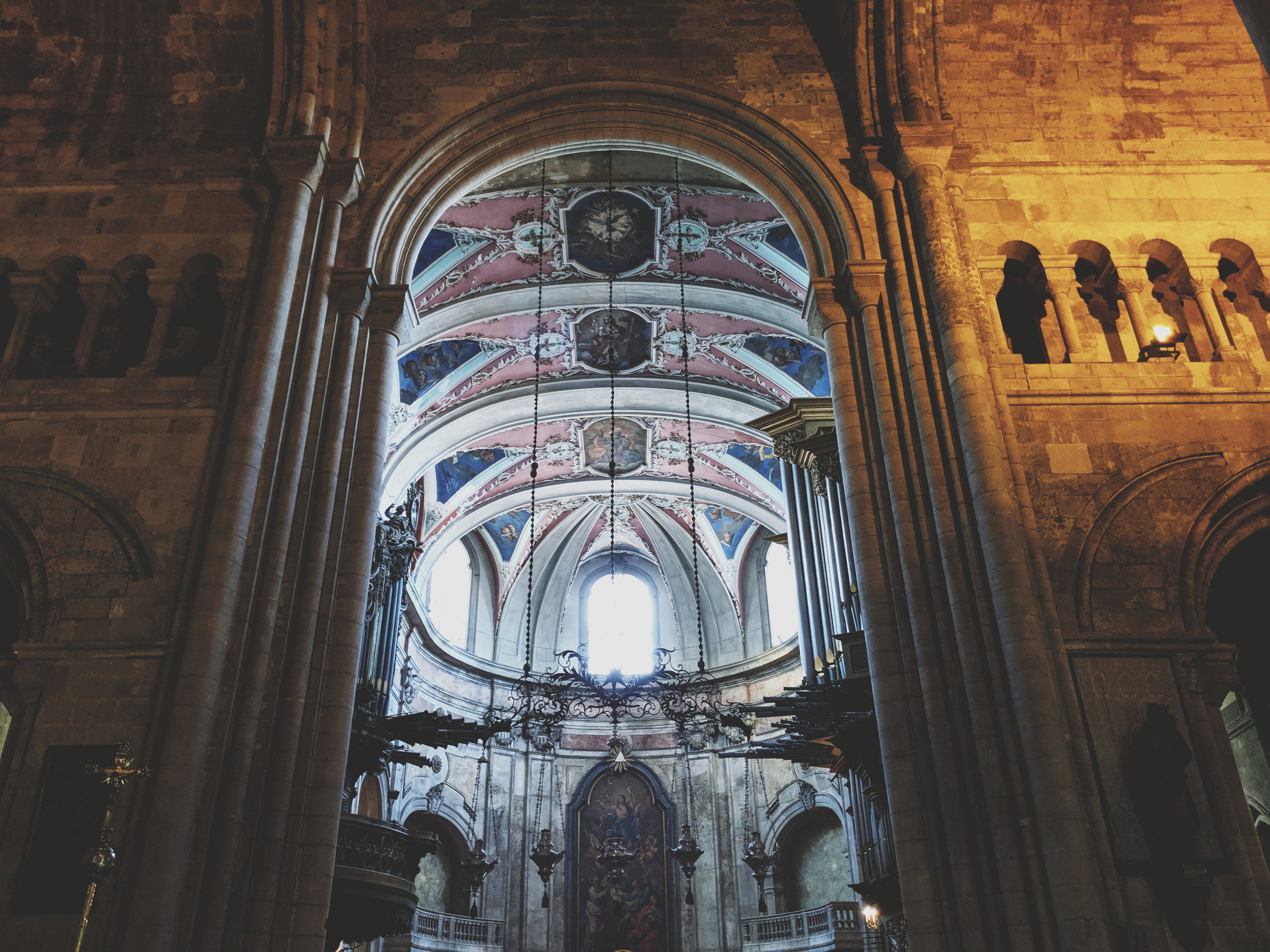
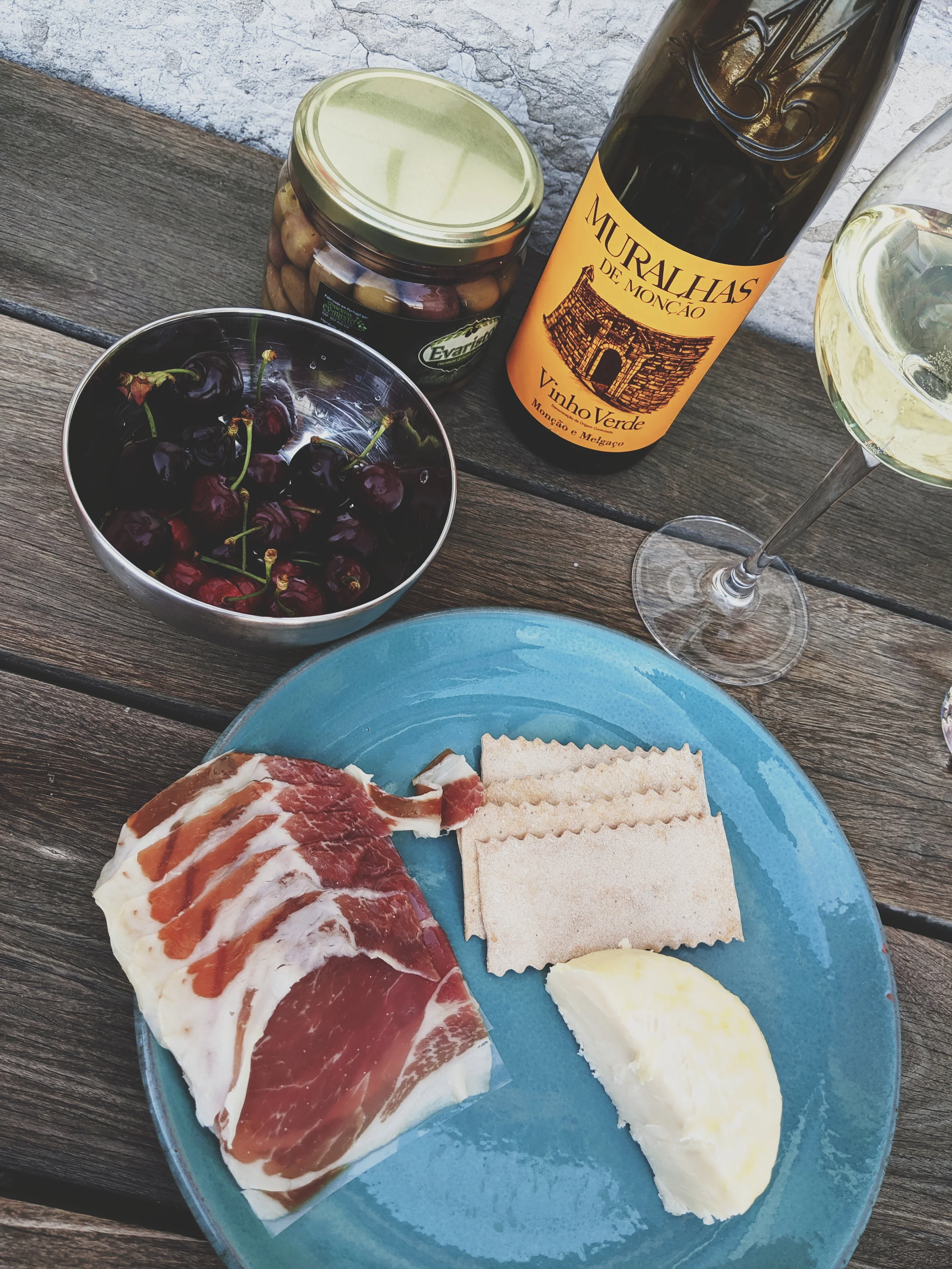
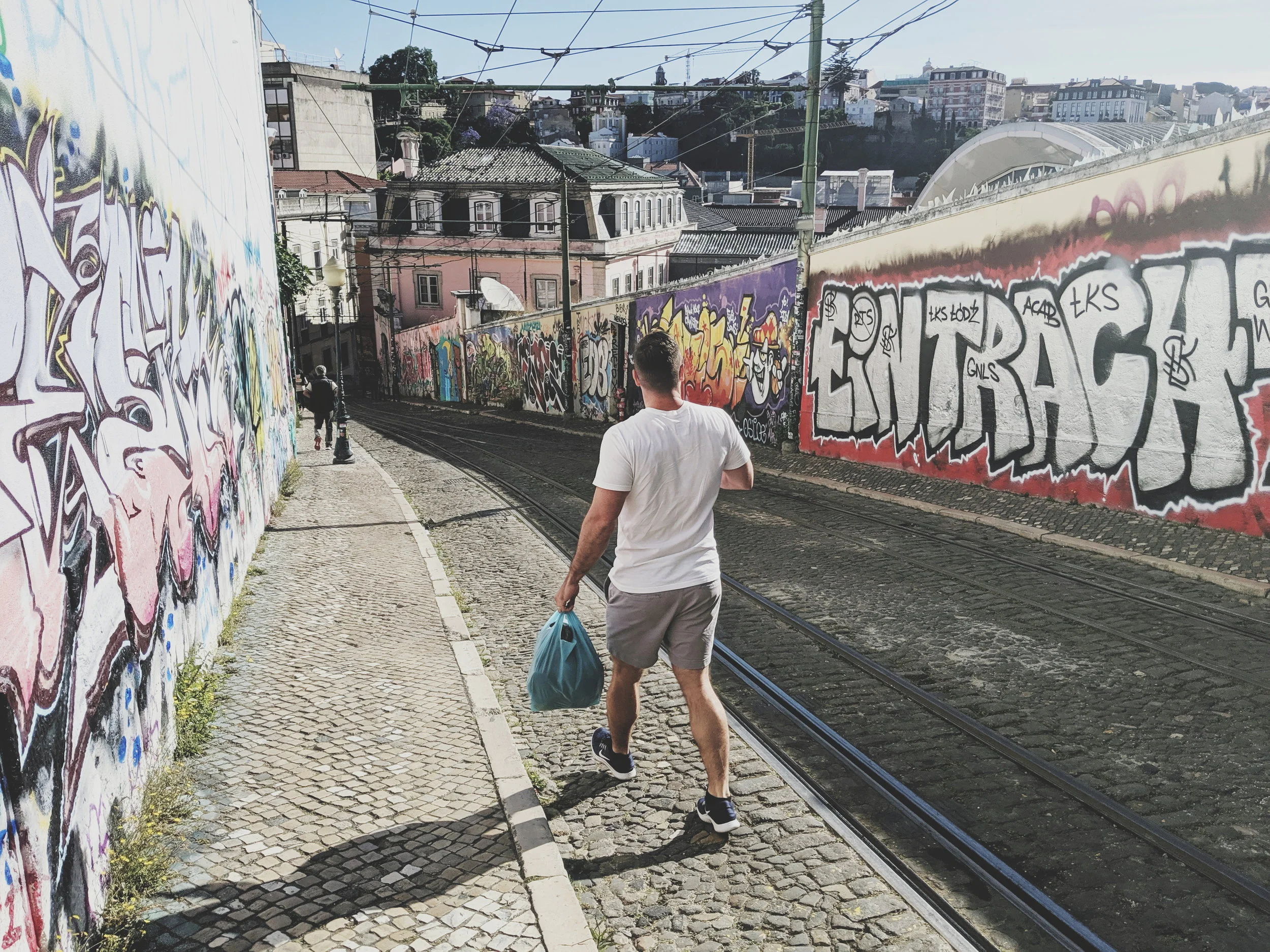
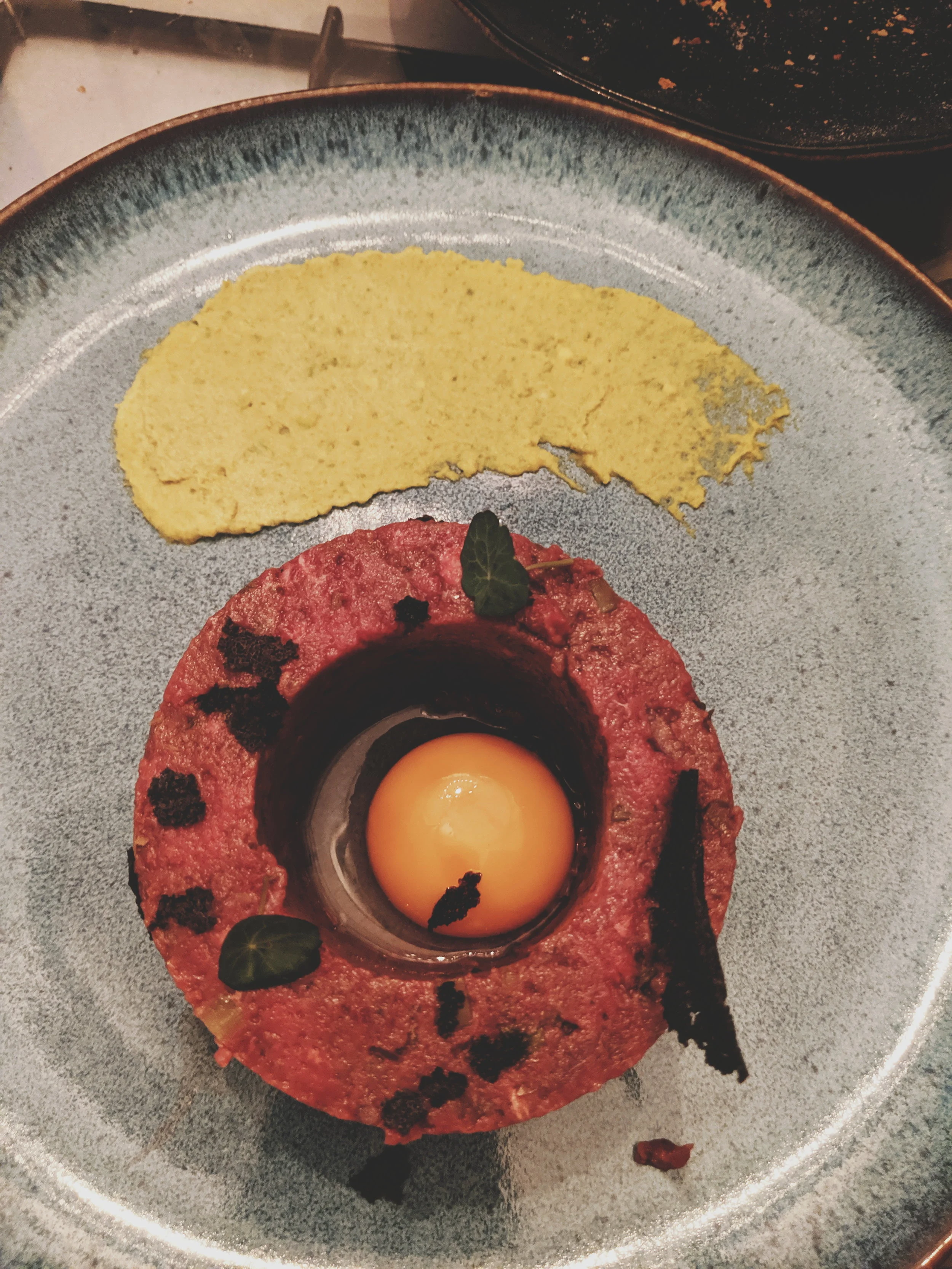
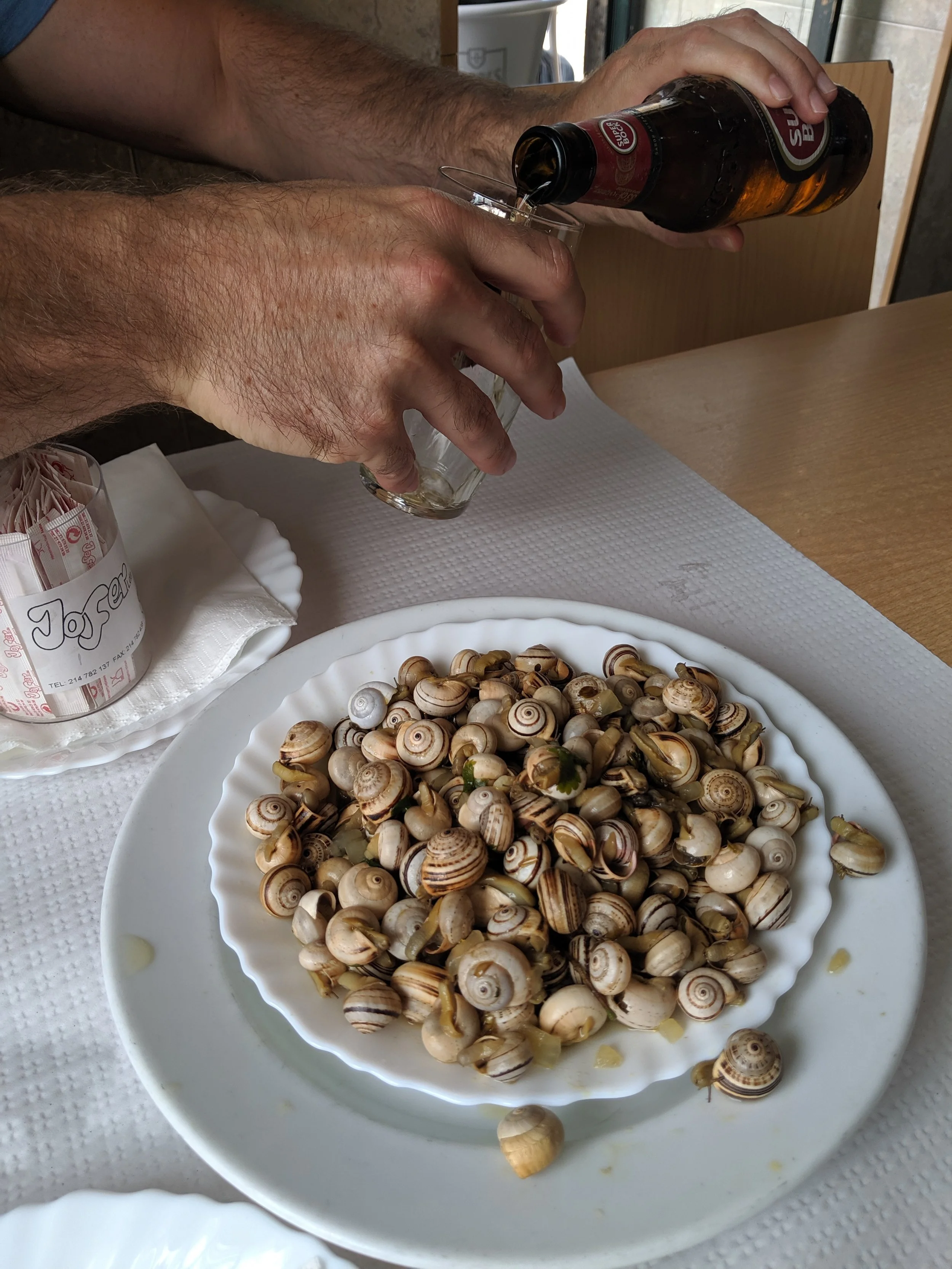
But there are aspects of a summer vacation in Lisbon that help. We drink thick coffee in tiny cups and sink our teeth into warm, custard-filled pastries. We walk for miles on slippery tiled streets, up and down the city’s seven hills until our legs scream. We pop into dusty old churches and art galleries. We sit at a table under a tree dripping with oranges and sip cool Vinho Verde that manages to be juicy yet dry, completely satiating while leaving you wanting more. We wait until we are truly hungry then eat dinner at a tiny restaurant brimming with candles and loud voices. In front of us appear platters of black pork, cuttlefish in their own ink, clams in brothy rice, bowls of olives, crisp oven potatoes, beef tartare cradling a raw egg, and thick buttery mushrooms. We let the day carry us and make it a point to notice and to savor.
We don’t stress about work or make lists. For the first time in probably a month, I eat lunch away from a screen, the usual knot absent from my belly. I promise myself, as I always do on vacation, that this mindfulness, this joie de vivre, will be my only souvenir.
(Though I’ll end up coming home with two art prints, a box of chocolates, and a badly bruised finger from a surfing accident).
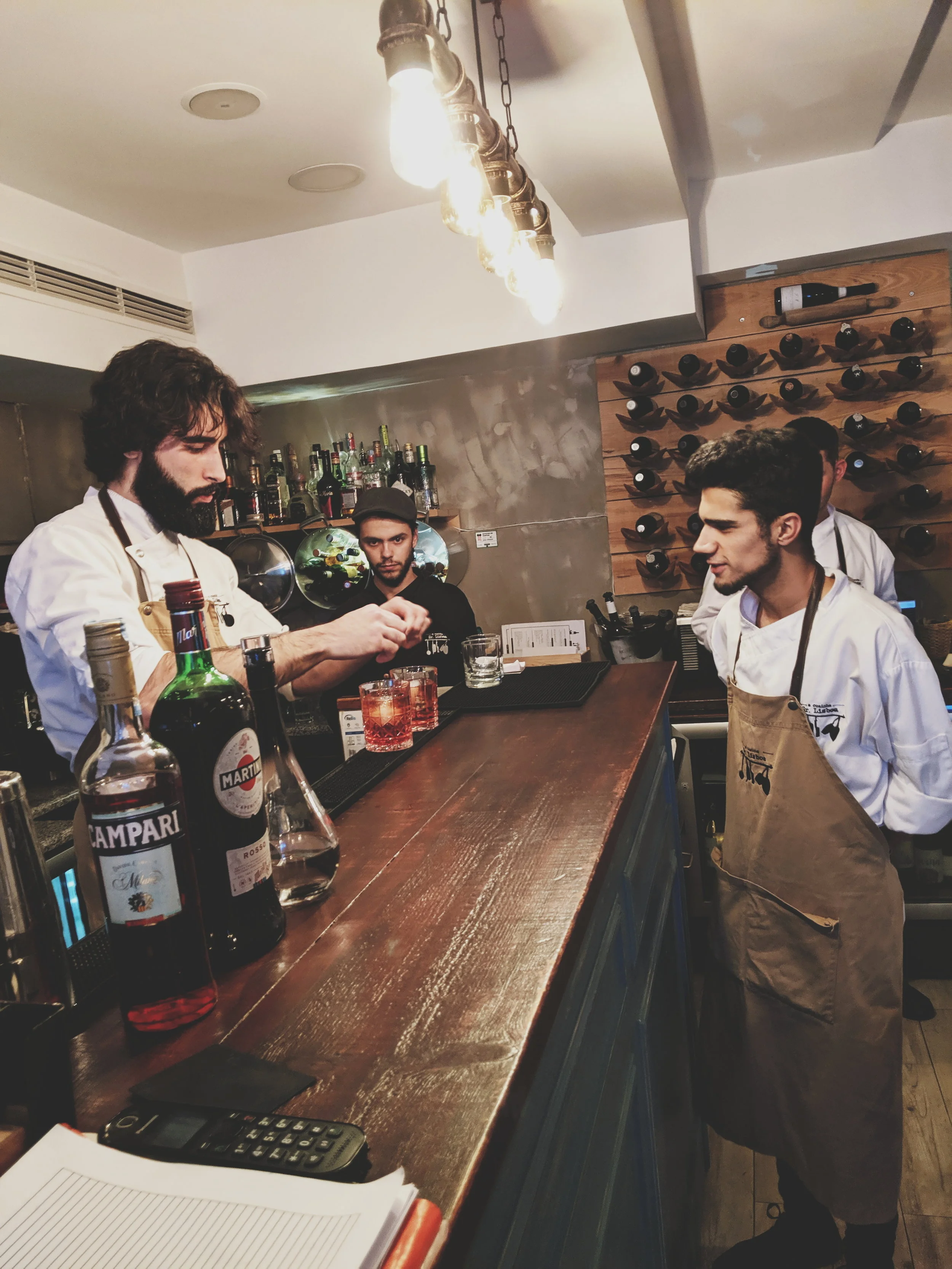
At what will turn out to be our favorite restaurant, we’re guided to the bar while we wait for our table to be ready. “I can make any cocktail,” says the bartender when we ask for a drink menu.
“An Old Fashioned?”
“Hmm, not that.”
“A Manhattan?”
“What’s in that one?”
“Okay, what cocktail do you like to make?”
His eyes light up. “A Negroni! I make the best.” Brow furrowing in concentration, he pulls out bottles, glasses, an orange, a knife. The restaurant is filled to the brim but the other servers pause their food runs and gather around the bar, watching the tall, bearded man behind it mix liquors with the intensity of a chemist.
And it is — the best.
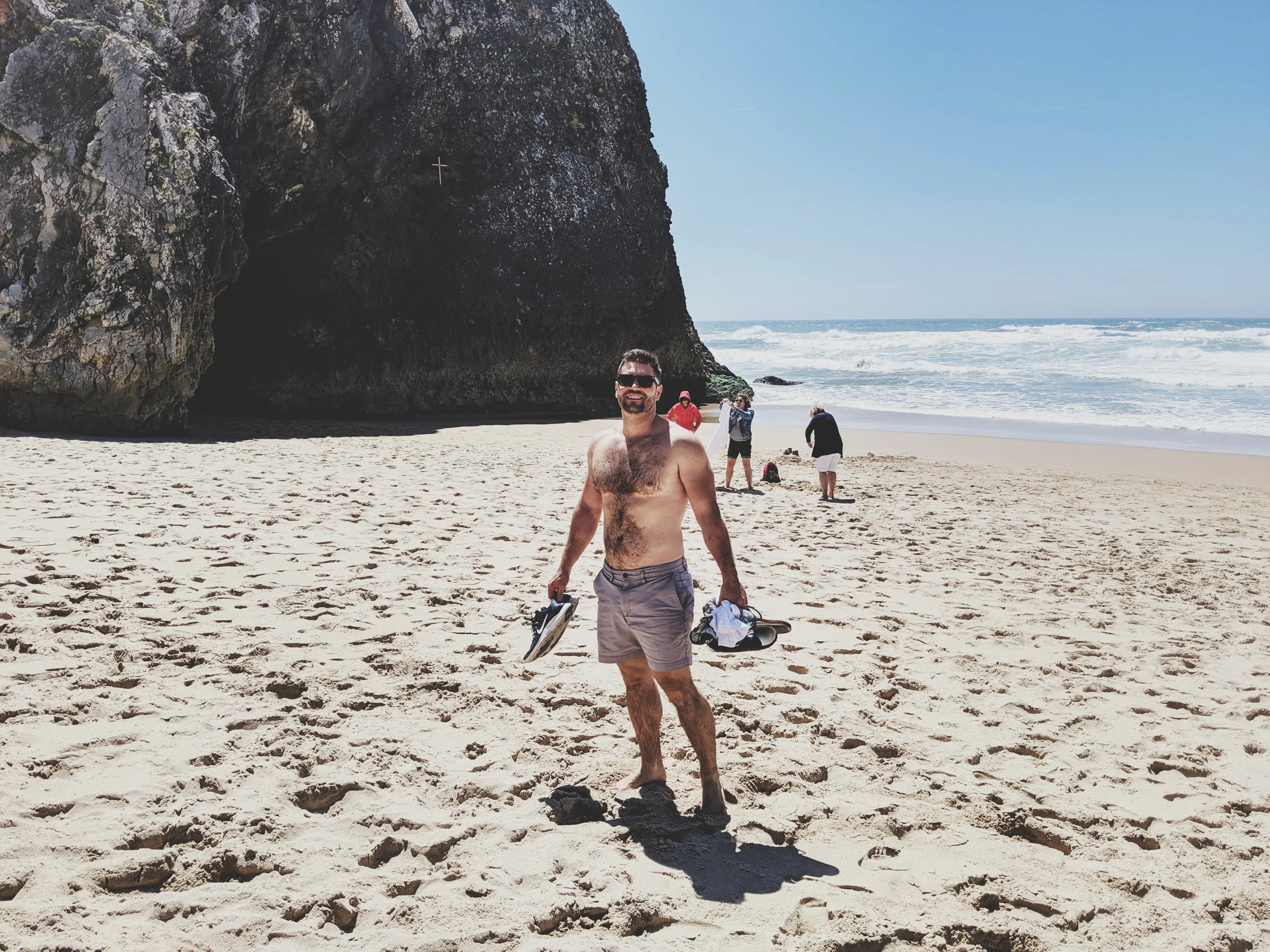
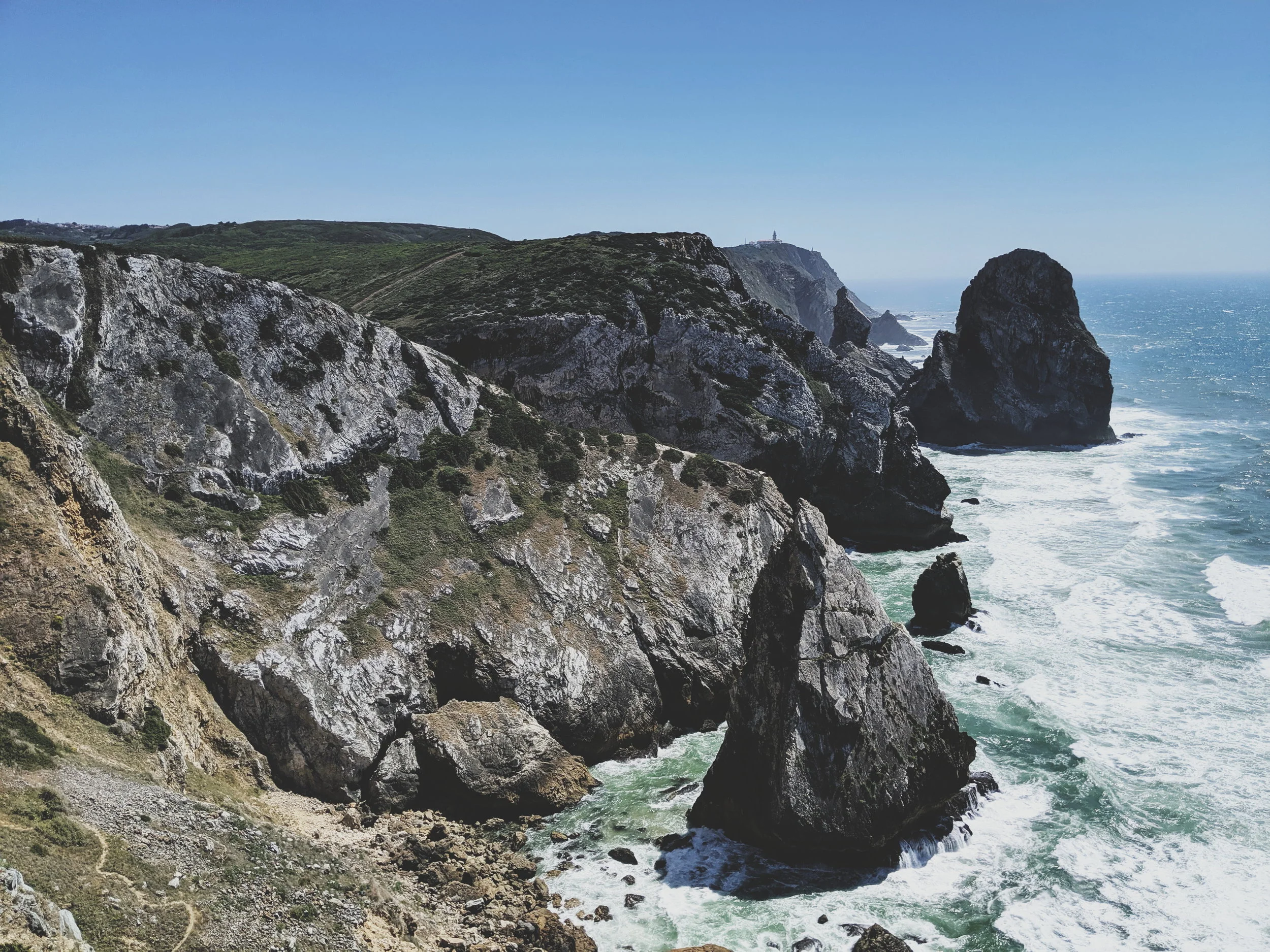
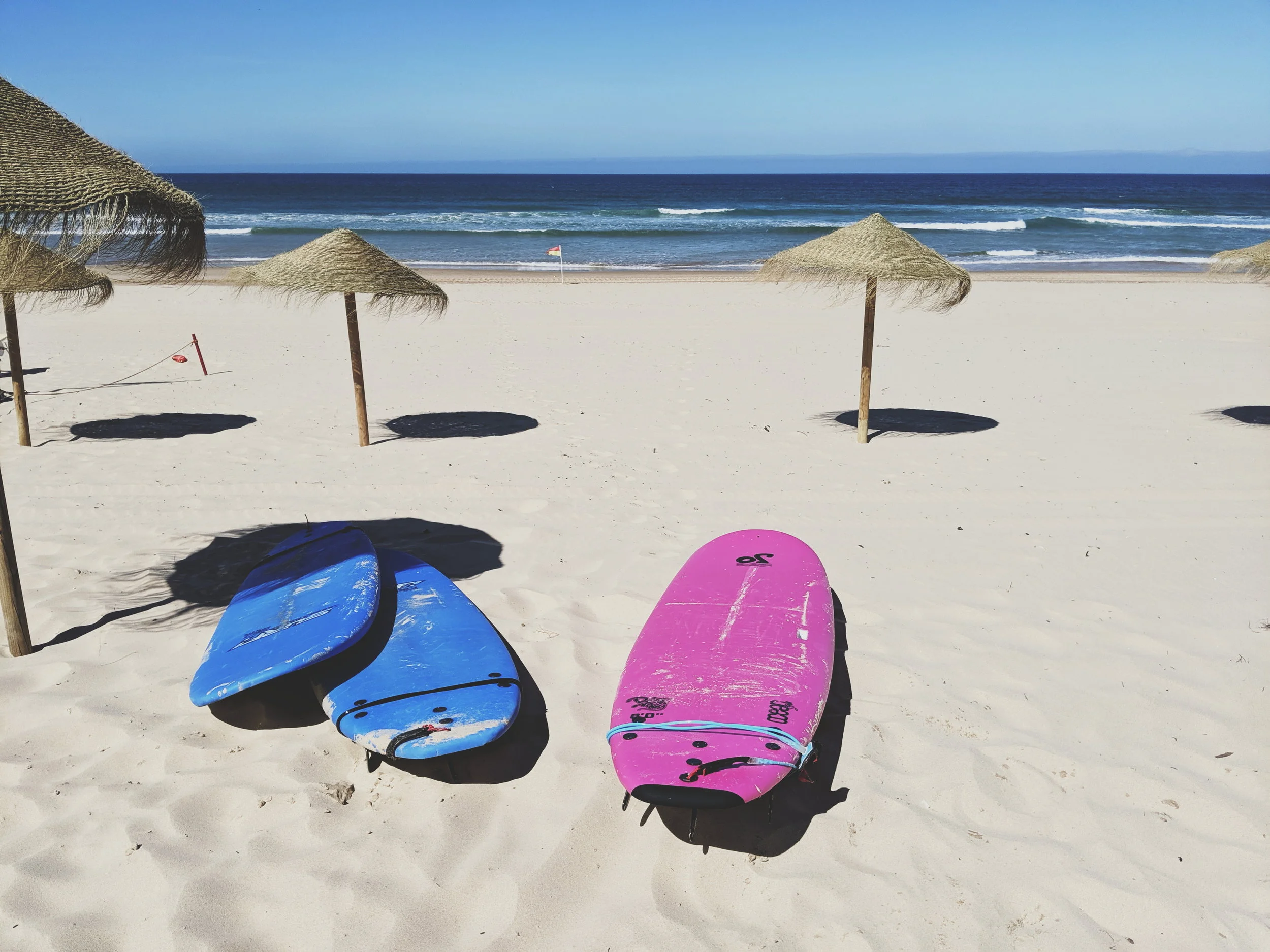
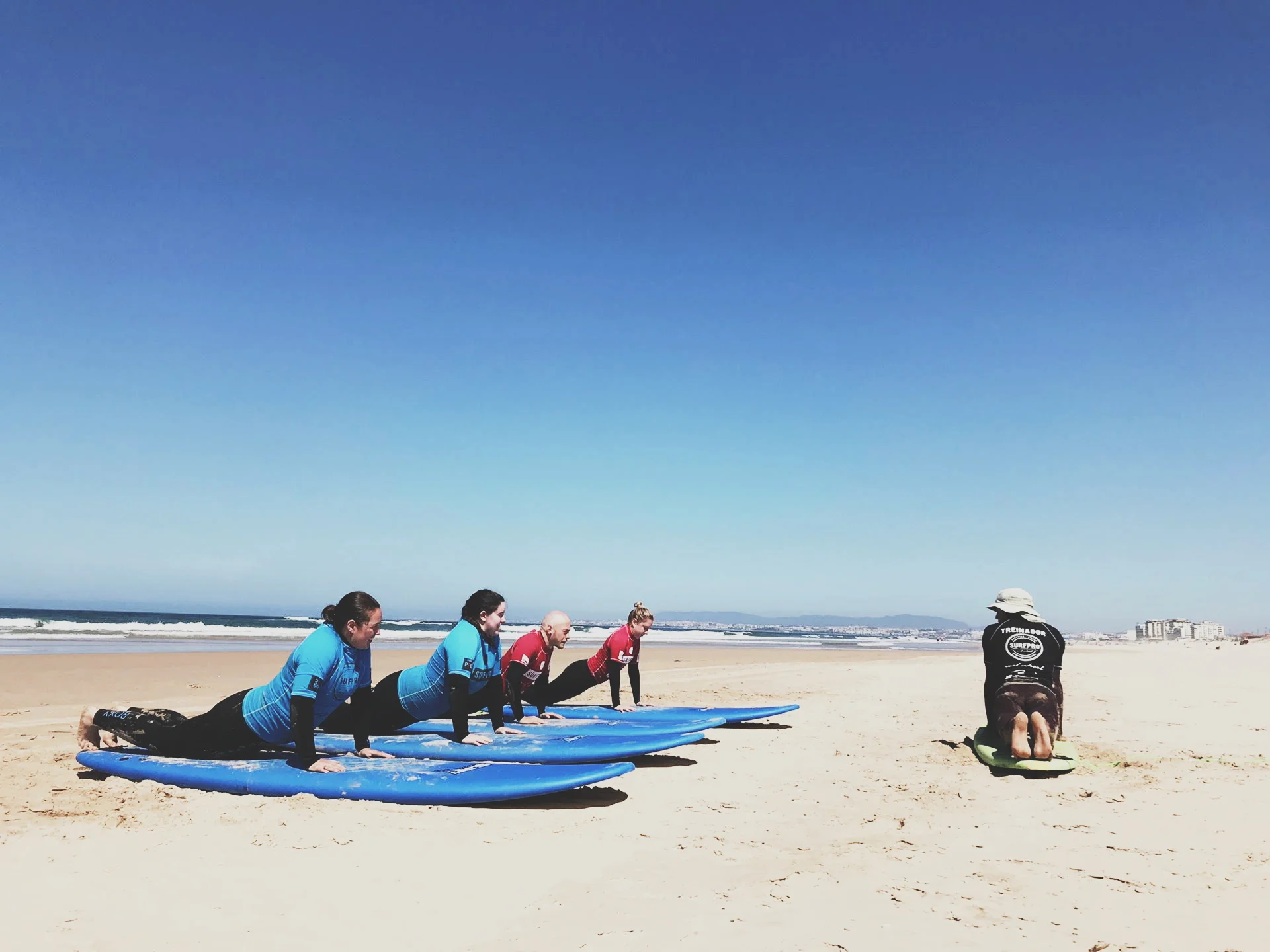
A few days later, I’m belly-down on a surfboard, parallel to the miles of sandy, sparsely populated beach thirty minutes outside of Lisbon. My instructor floats next to me, a safari hat covering his bald head, his nose white with zinc. As I go over in my head for the hundredth the one-two-three-four steps to catch a wave while also trying not to get smacked in the face by the smaller waves passing under my board, he speaks low, steady words.
“Who controls your legs? Do your legs control your legs? No, it’s your mind. Everything is your mind.
“Be with yourself. It’s you and the sea, nothing else. Don’t worry — just be.
“Why are you thinking so much? You are so tense. You have too high expectations for yourself. Trust your body more — it knows what to do better than you do.
“Money, you can always earn more later. Time, you cannot. It’s gone forever. Don’t waste time for money.
“Once you leave the sea, move slowly. Stay in harmony with the ocean. If we move to fast, rush to the next thing, the peace we have gained leaves us. Slow down and let the peace of the ocean stay with you.”
For less than half of what I pay my therapist for a single session—I’m getting four hours of soul work plus surfing lessons.
Later that day, I take a nap and wake up feeling calm and connected to myself. While my husband works, I walk to a nearby park with my journal and a bottle of Vinho Verde. I don’t drink it though — instead, I watch a young couple roll in the grass in each other’s arms, a tightrope walker balance between two trees, and a man in a cross-legged meditation pose, gazing at the cloudless sky.
I doodle in my journal about the purple flowers and noble trees, but it’s the kissing and balancing and meditating that make me feel that everything in our world will ultimately be okay.
On our last morning in Lisbon, we wake up to phone notifications of a delayed flight. My husband goes out to get us coffee and pastries since we aren’t yet back in the US where sugar becomes evil. I pull up the covers and let my body rest. We have a few more hours. I don’t think about the clock ticketing down, only about how nice the sheets feel against my skin.